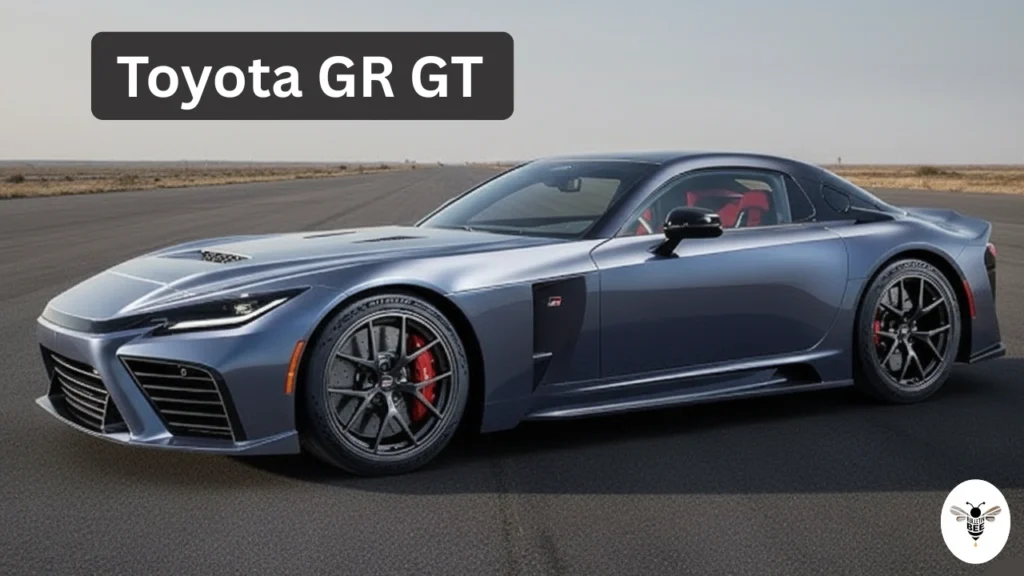
Toyota GR GT: Toyota Gazoo Racing has officially pulled the wraps off its new flagship supercar, the Toyota GR GT, marking the brand’s biggest performance statement since the legendary Lexus LFA. Developed completely from scratch as a two-seat, road-legal race car, the GR GT blends motorsport engineering, lightweight construction and hybrid power to create a supercar designed for both racetrack domination and real-world usability.
Toyota GR GT – A New Era of Toyota Performance
The GR GT is not a modified version of any existing Toyota model — it is an all-new platform built under a unified GT performance programme that also includes the GR GT3 race car. Engineers and mentors from the LFA project were brought back to ensure the GR GT captures Toyota’s emotional, mechanical and driver-first “secret sauce.”
Expected to go on sale in 2027, the supercar puts Toyota back into the ultra-high-performance segment to rival:
- Mercedes-AMG GT
- Porsche 911
- Aston Martin Vantage
Toyota GR GT Heart of the Beast: Twin-Turbo V8 With Hybrid Assist
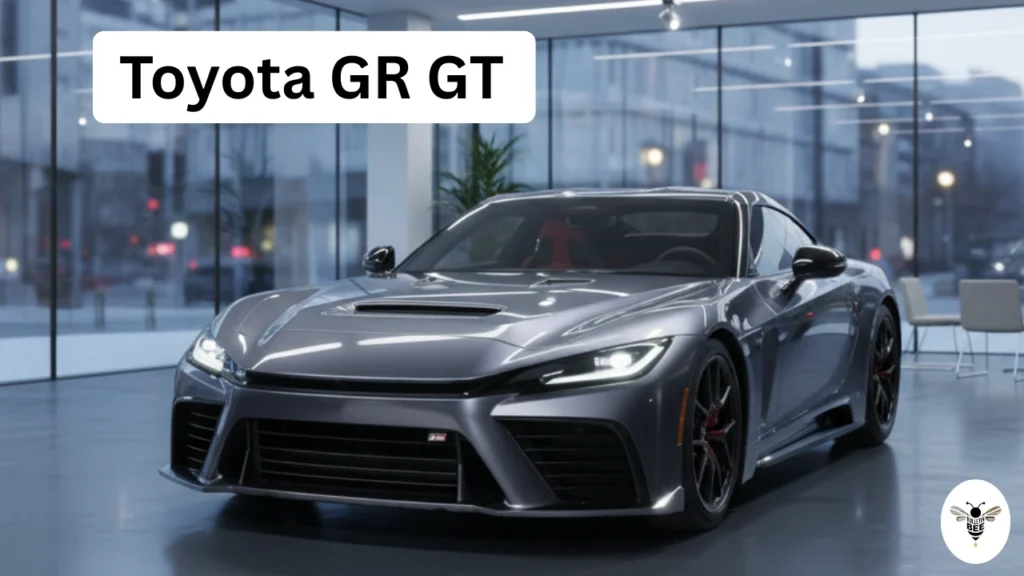
Sitting at the core of the GR GT is a completely new 4.0-litre twin-turbo V8 paired with a mild-hybrid electric motor integrated into the rear transaxle. The system delivers electrified punch without diluting the V8 character.
Also Read


Key Powertrain Highlights
- Target output: around 650hp and 850 Nm
- Drive layout: Front-engine, rear-wheel-drive
- Gearbox: Newly developed 8-speed automatic with wet clutch
- Top speed target: 320 km/h or higher
- Improved traction and sharper cornering through a mechanical limited-slip differential
- Hybrid motor assists torque fill, smoothing acceleration during gearshifts
The engine is mounted low and pushed behind the front axle, optimising weight distribution and lowering the centre of gravity. Toyota has also developed the hybrid V8 to meet future emissions norms, ensuring long-term production viability.
Toyota GR GT Lightweight Engineering and Aerodynamic Intelligence

The GR GT follows a function-driven design philosophy — every curve, vent and panel has a performance purpose. Aerodynamic performance was signed off before finalising the exterior styling.
Structural & Aero Highlights
- Toyota’s first full aluminium body frame
- Carbon-fibre-reinforced panels on the bonnet, roof, doors and boot lid
- Laser-shaped airflow tunnels to enhance cooling and reduce drag
- Vents across brakes and engine bay optimise race-level thermal management
- Target kerb weight: below 1,750 kg
- Weight distribution: 45:55 (front:rear)
Dimensions reflect classic supercar proportions:
- Length: 4,820 mm
- Width: 2,000 mm
- Height: just 1,195 mm
To back the engineering, the chassis receives:
- Double-wishbone suspension (front and rear)
- Forged aluminium control arms
- Brembo carbon-ceramic brakes
- Michelin Pilot Sport Cup 2 tyres on 20-inch lightweight wheels
Driver-Focused Interior With No Unnecessary Frills
Inside, the Toyota GR GT delivers a cockpit built for focus and speed rather than indulgent luxury. The cabin is designed so the driver can make quick, instinctive inputs without getting distracted.
Interior Highlights
- Tight two-seat cabin with a low dashboard for visibility
- Physical buttons maintained to avoid touchscreen distractions while driving fast
- Carbon-framed bucket seats shaped for heavy cornering support but suitable for everyday use
- Digital display plus drive-mode controls on the steering wheel
- Minimal luxury additions — pure motorsport intent
- Notably, the cabin does not carry a Toyota badge, emphasising GR’s identity as a standalone performance brand
When Will It Arrive?
The Toyota GR GT is still undergoing development and evaluation at:
- Fuji Speedway
- Nürburgring
- Public roads globally
If progress continues smoothly, sales are expected to begin in 2027. The GR GT3 race version will launch alongside it as Toyota pushes deeper into GT-class motorsport.
Final Verdict
The Toyota GR GT is shaping up to be one of the most important performance projects in the company’s modern history. With a 650hp hybrid V8, lightweight aluminium-carbon design, race-bred aerodynamics and a driver-obsessed interior, it is more than just a supercar — it represents Toyota’s renewed commitment to engineering emotion back into combustion performance before the industry fully transitions to EVs. If it meets its targets, the GR GT will not just rival European supercar elites — it could redefine Toyota’s place among them.