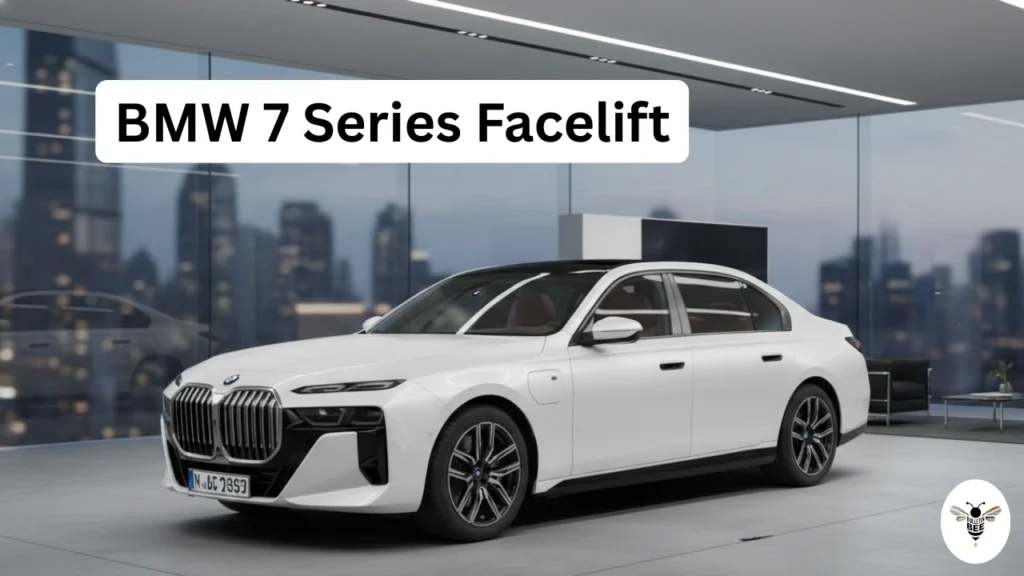
BMW 7 Series Facelift: The upcoming facelift of the BMW 7 Series is already creating a lot of discussion among luxury car enthusiasts. As BMW prepares to refresh its flagship sedan, reports suggest that one of its most advanced technologies—Level 3 autonomous driving—might not be available in the updated model.
The current generation of the 7 Series has always represented the brand’s latest innovations, combining luxury, performance, and cutting-edge technology. However, the mid-cycle update (LCI) could introduce a different direction in terms of driver-assistance systems, design improvements, and updated features.
BMW May Remove Level 3 Autonomous Driving
One of the biggest talking points around the facelifted 7 Series is the possible removal of the Personal Pilot Level 3 system. This technology was introduced as a major breakthrough in BMW’s driver-assistance lineup.
Key details about this change include:
Also Read

- The current 7 Series was among the first BMW models with Level 3 autonomous driving capability.
- The system allowed drivers to take their eyes off the road under certain conditions.
- It worked only on approved highways.
- The system functioned at speeds up to 60 km/h.
However, reports suggest that the updated version of the luxury sedan may drop this feature due to several practical reasons.
Why BMW Could Remove the Level 3 System
Despite being technologically advanced, the Level 3 system hasn’t been widely adopted by buyers. The feature was expensive and had limited real-world usability.
Reasons for the possible removal include:
- High cost for customers compared to other driver assistance features
- Limited operating conditions
- Complexity of sensors and hardware
- Low demand among buyers
- Easier scalability of newer driver assistance systems
Because of these factors, BMW may switch to a more practical alternative already used in newer models.
BMW 7 Series Facelift New Driver Assistance Technology from the iX3
Instead of Level 3 autonomy, the facelifted 7 Series could adopt the latest driver-assistance technology introduced in the new BMW iX3.
This updated system offers advanced assistance while keeping costs lower and usability higher.
Expected features include:
- Hands-free driving on selected highways
- Driver attention monitoring
- Automatic lane-change capability
- Operation at higher speeds (up to around 130 km/h)
- Advanced Highway Assistant technology
- Improved safety features
This system is considered more practical because it works in more scenarios compared to the older Level 3 setup.
BMW 7 Series Facelift Expected Exterior Design Updates
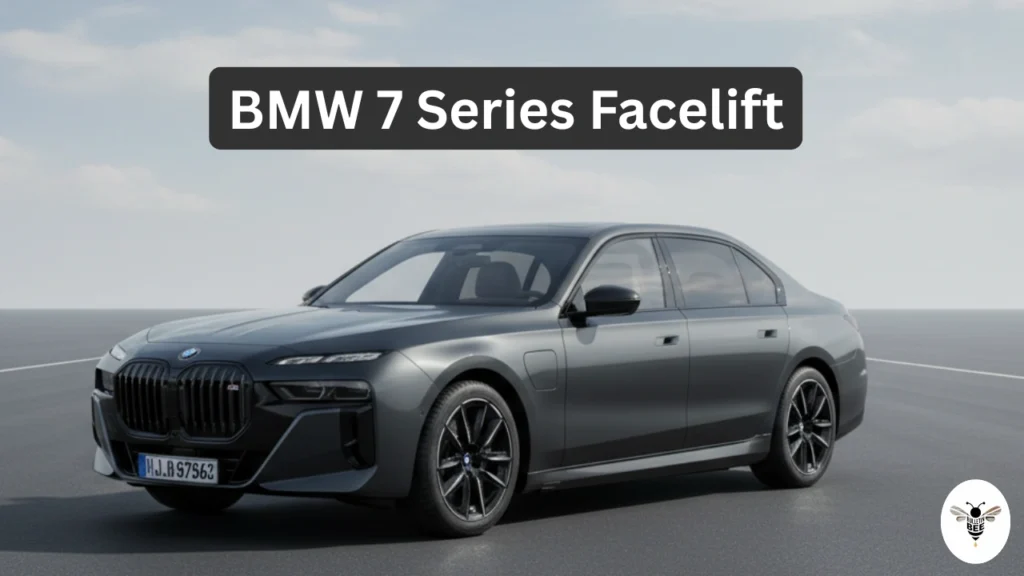
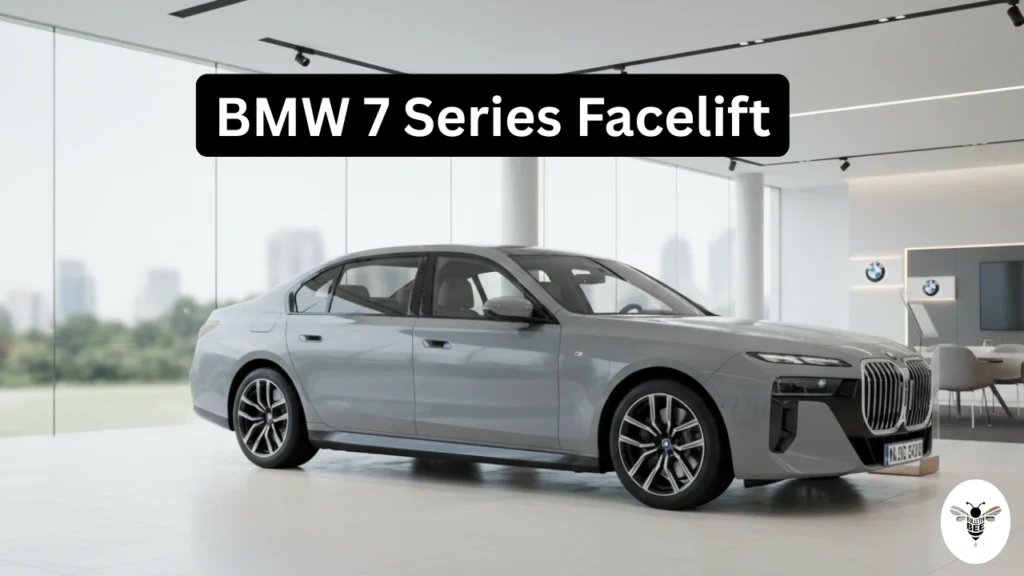
Apart from technology changes, the facelifted 7 Series will likely receive several design refinements. Spy shots and renderings suggest that BMW will keep the overall design language but introduce subtle updates.
Possible exterior updates:
- Updated front fascia design
- Revised kidney grille styling
- Improved LED headlight elements
- Updated LED taillights
- Slightly redesigned bumpers
- New wheel designs
Interestingly, the controversial split-headlight design is expected to remain, despite mixed reactions from fans.
Interior Improvements and New Technology
BMW is also expected to enhance the interior experience with upgraded infotainment and digital displays.
Potential cabin upgrades include:
- New iDrive X interface
- Panoramic Vision display technology
- Updated digital instrument cluster
- Improved infotainment system
- More connected car features
- Advanced comfort and luxury upgrades
BMW typically uses the 7 Series as a platform to debut its newest technologies, so more digital improvements are expected in the final model.
Powertrain Options Likely to Continue
The facelift is not expected to dramatically change the powertrain lineup, but updates and refinements are possible.
Expected powertrain options:
- Petrol engine variants
- Plug-in hybrid models
- Fully electric i7 versions
- Improved efficiency and performance updates
- Possible new performance variants
There are also reports suggesting that an ALPINA performance version could appear in the refreshed lineup later.
Launch Timeline and Production Plans
The updated BMW 7 Series could debut soon, with industry sources suggesting a reveal in the near future.
Expected timeline:
- Global reveal possibly in 2026
- Production likely to begin shortly after
- Some variants arriving as 2027 model year
- Performance versions launching later
The refresh will help BMW remain competitive against rivals in the luxury sedan segment.
Competition in the Luxury Sedan Segment
The BMW 7 Series competes with several premium models in the global market.
Key rivals include:
- Mercedes-Benz S-Class
- Audi A8
- Lexus LS
With these competitors constantly evolving, BMW aims to maintain its leadership by focusing on technology, comfort, and innovation.
Conclusion
The facelifted BMW 7 Series appears to be a strategic update rather than a complete overhaul. While the possible removal of Level 3 autonomous driving might disappoint some tech enthusiasts, BMW seems to be focusing on a more practical and widely usable driver-assistance system. Combined with design tweaks, interior technology upgrades, and continued electrification, the refreshed 7 Series is expected to remain a strong contender in the luxury sedan market. As BMW prepares for its launch, it will be interesting to see how the final production model balances innovation with real-world usability.