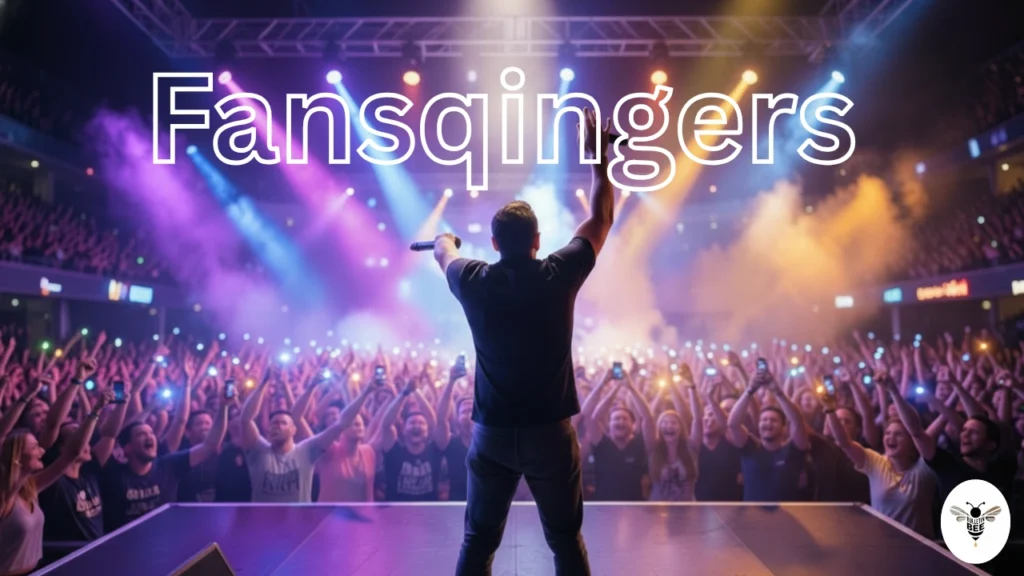
Language on the internet evolves faster than dictionaries can track it. New words appear, spread through communities, and gain meaning through usage long before they’re formally defined. One such emerging term is fansqingers.
At first glance, the word feels unusual. It doesn’t appear in official dictionaries, and it isn’t attached to any well-known platform or brand. Yet its increasingly visible across usernames, music-driven communities, comment sections, and creative digital spaces.
Rather than being a single, rigid definition, fansqingers represents a shift in how fans interact with music and artists today. It captures a cultural moment where the line between audience and performer is no longer clear.
What Is Fansqingers?
It is best understood as a hybrid digital identity rather than a formal term.
Also Read

It appears to combine two roles:
- Fans – people who admire, support, and follow artists
- Singers – people who express themselves vocally through music
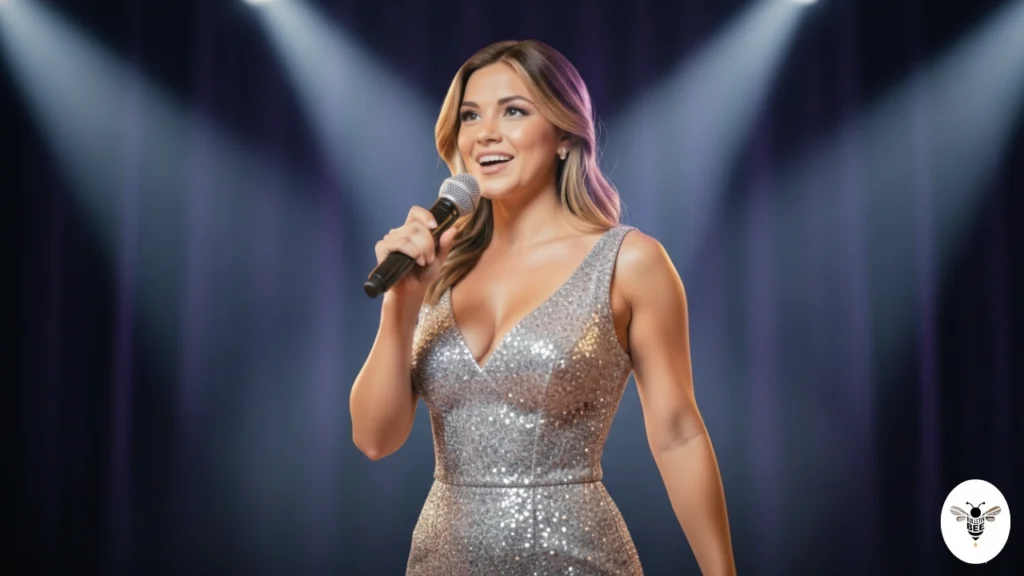
Together, the term reflects a new type of participant in music culture:
someone who supports artists while also actively singing, remixing, and responding musically.
Key characteristics:
- Not officially defined or registered
- Community-driven rather than institution-driven
- Meaning shaped by usage, not rules
- Closely tied to digital platforms and social media
- Focused on participation, not consumption
The flexibility of the term is part of its appeal. Fansqingers can mean different things depending on context, platform, or community.
Why the Term Fansqingers Exists at All
The rise of fansqingers isn’t accidental. It reflects a deeper cultural change in how music is experienced online.
Traditional music fandom looked like this:
- Listening to albums
- Attending concerts
- Buying merchandise
- Leaving likes or written comments
Modern digital fandom looks very different:
- Singing covers and posting them publicly
- Creating vocal duets with original artists
- Harmonizing in comment replies
- Remixing songs into new interpretations
- Collaborating directly with creators
The old language of “fan” no longer feels sufficient.
Fansqingers fills that gap, giving a name to people who engage musically rather than passively.
Core Meaning of Fansqingers
Depending on how it’s used, and may refer to:
- Fans who sing covers, duets, or harmonies
- Community members who respond to music with music
- A username or online persona built around musical fandom
- A niche identity within participatory music spaces
- A blurred role between listener and performer
There is no single “correct” definition—and that openness makes the term powerful.
The Evolution of Fan Participation in Music
Music fandom has always been emotional, but digital platforms turned emotion into expression.
How participation evolved:
- Fans gained access to recording tools (phones, apps, filters)
- Platforms encouraged remixing and stitching
- Algorithms rewarded creative engagement
- Artists began inviting fan interaction directly
Instead of applause, fans now offer harmonies, verses, and reinterpretations.
In many cases:
- A song becomes a conversation
- A chorus becomes a shared canvas
- A performance becomes collaborative
This is the environment where fansqingers naturally thrive.
Where Fansqingers Culture Is Showing Up
While still niche, fansqingers-style behavior appears consistently across specific digital environments.
1. Social Media Platforms
Short-form and creator-focused platforms encourage:
- Vocal duets
- Harmonized responses
- Remix challenges
- Cover trends
Fans are no longer watching from the sidelines—they’re singing alongside creators.
2. Fan-Driven Music Communities
In private or semi-private spaces, fansqingers culture is even stronger.
Common activities include:
- Sharing vocal clips
- Posting cover challenges
- Collaborative songwriting
- Community feedback on performances
These spaces value contribution over popularity.
3. Creator Subscription Spaces
Some creators invite fans to:
- Submit harmonies
- Add backing vocals
- Participate in exclusive musical projects
Here, the fan–artist boundary almost disappears entirely.
Fansqingers vs Traditional Fan Culture
Understanding fansqingers becomes easier when compared to older fandom models.
| Aspect | Traditional Fan Culture | Fansqingers Culture |
|---|---|---|
| Fan Role | Passive supporter | Active participant |
| Interaction | Likes & comments | Singing & remixing |
| Contribution | Emotional support | Creative output |
| Identity | Fan only | Fan + performer |
| Community | Artist-centered | Collaborative |
This shift explains why new language is emerging—old terms can’t fully describe new behavior.
Fansqingers as a Digital Identity
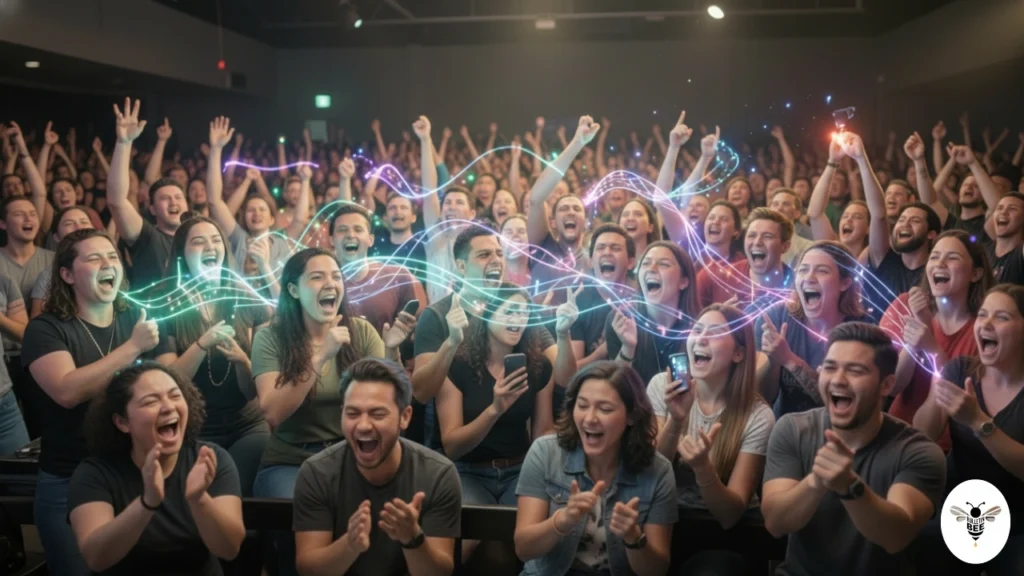
For many users, It isn’t just a concept—it’s part of their online identity.
Why people adopt it:
- It signals creativity
- It shows musical engagement
- It differentiates from passive fandom
- It feels expressive and personal
- It works well as a unique username
In crowded digital spaces, having a distinctive identity matters. Its offers that distinction without locking users into a fixed role.
Why Fansqingers Resonates in the Digital Age
The popularity of the concept reflects broader psychological and cultural needs.
culture aligns with:
- A desire for recognition
- Creative self-expression
- Belonging to a community
- Direct interaction with creators
- Participatory rather than observational media
Instead of watching talent from a distance, fans want to join the moment.
Music becomes shared, not staged.
Algorithmic Influence on Fansqingers Culture
Platforms unintentionally fuel this movement.
Why participatory music spreads:
- Engagement-heavy content is favored
- Duets and remixes increase watch time
- Collaborative posts invite response
- Algorithms reward interaction loops
Fansqingers-style content naturally performs well because it invites others to join in.
Is Fansqingers a Brand, App, or Platform?
As of early 2026:
- Not a registered brand
- Not an official platform
- Not a defined service
Instead, Its exists as:
- A conceptual label
- A digital identity
- A community-driven term
- A creative username choice
Its lack of ownership allows organic growth.
Search Behavior Around Fansqingers
From an SEO and discovery standpoint, It is an emerging keyword.
People searching it may want:
- A meaning or explanation
- Information about a profile
- Context for a community
- Clarification if it’s a service
- Cultural background
Content that explains the term without forcing a definition best satisfies this mixed intent.
The Bigger Picture Behind Fansqingers
It isn’t really about the word—it’s about transformation.
It represents:
- Fans stepping into creative roles
- Music becoming conversational
- Audiences becoming contributors
- Identity becoming fluid online
As digital culture continues evolving, more terms like it will appear—some temporary, some lasting.
Conclusion
Fansqingers represents a clear shift in modern music culture where fans are no longer passive listeners but active creative participants. It reflects how digital platforms have transformed fandom into a collaborative experience, allowing audiences to sing, remix, and engage directly with the artists they admire. Rather than being a fixed term or brand, fansqingers functions as a flexible identity that captures this evolving relationship between creators and their communities, highlighting a future where music is shared, interactive, and shaped collectively by both artists and fans.
FAQs
What does fansqingers mean?
Fansqingers combines “fans” and “singers,” referring to people who engage with music both as supporters and vocal participants.
Is fansqingers an app or platform?
No. As of 2026, it is not tied to any official service or platform.
Why are people searching for fansqingers?
They may encounter it as a username, concept, or niche community label and want clarification.
Is fansqingers related to fan subscription platforms?
Conceptually yes, but it is not linked to any specific service.
Can fansqingers become a trend?
Yes. As participatory fan culture grows, hybrid identity terms like fansqingers have strong potential to gain traction.