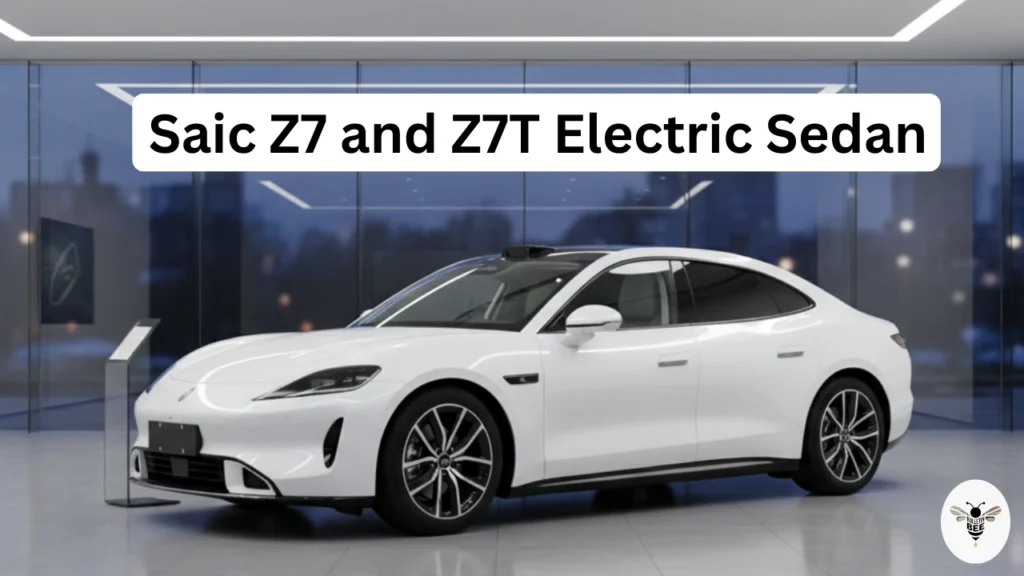
Saic Z7 and Z7T Electric Sedan: The Saic Z7 and Saic Z7T are the latest electric vehicles from SAIC, developed in collaboration with Huawei under the HIMA ecosystem. These new models are positioned in the premium mid-size EV segment and are set to open pre-orders from March 23, 2026. With modern design, powerful performance, and advanced intelligent driving systems, both models aim to compete with rivals like the Xiaomi SU7.
Saic Z7 and Z7T Electric Sedan Launch Timeline and Market Position
Saic is targeting a competitive segment with these new EVs.
- Pre-orders begin on March 23, 2026
- Expected pricing between 250,000 to 350,000 yuan
- Positioned as premium mid-size electric sedans
- Developed under Huawei’s HIMA mobility ecosystem
These cars are designed to attract buyers looking for technology-rich electric vehicles at a relatively competitive price.
Saic Z7 and Z7T Electric Sedan: Design and Styling
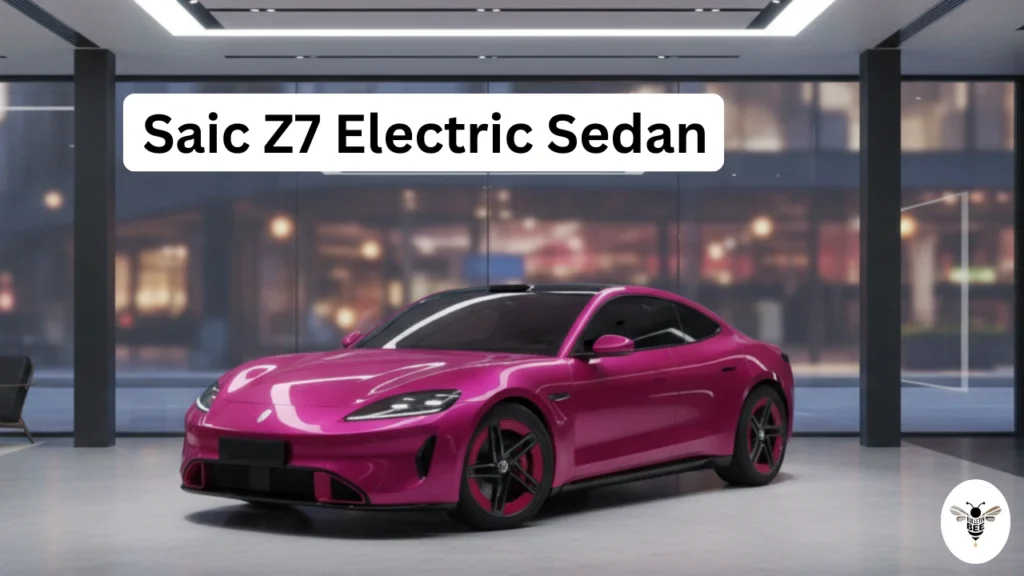
Both the Z7 and Z7T feature a sleek and futuristic design.
Also Read
- Closed front grille typical of EVs
- Slim and sharp LED headlights
- Full-width LED taillight design
- Aerodynamic body with smooth lines
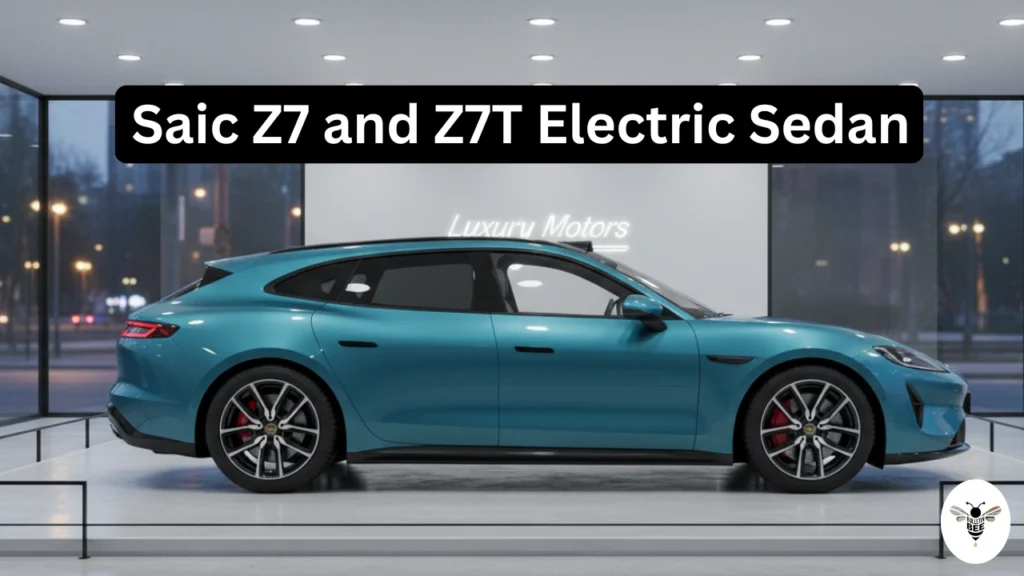
Z7T stands out with a shooting brake style, offering a mix of sporty design and practicality.
- Fastback roofline inspired by premium EVs
- Wagon-like rear for added space
- Unique styling compared to traditional sedans
Saic Z7 and Z7T Electric Sedan: Dimensions and Road Presence
The vehicles are designed to offer a strong road presence.
- Length between 5036 mm to 5051 mm
- Width around 1976 mm to 1980 mm
- Height between 1445 mm to 1465 mm
- Long 3000 mm wheelbase
These dimensions ensure spacious interiors and stable high-speed performance.
Interior and Features
The cabin focuses on technology and comfort.
- Large central touchscreen with smart interface
- Driver-focused digital instrument cluster
- Passenger display for added convenience
- Premium materials and modern layout
Additional highlights include:
- Swiveling infotainment screen
- Smart storage spaces
- Clean and minimal dashboard design
Smart Technology and Connectivity
Huawei’s technology is a major highlight of these vehicles.
- Built on Huawei Tuling platform
- Equipped with Qiankun intelligent driving system
- Advanced driver assistance features
- LiDAR-based autonomous capabilities
These systems aim to deliver a smarter and safer driving experience.
Battery and Powertrain Options
Saic offers multiple powertrain choices for flexibility.
Single motor version:
- Maximum output around 264 kW (354 hp)
- Top speed up to 220 km/h
- Available with LFP and ternary lithium batteries
Dual motor version (Ultra):
- Combined output with front and rear motors
- Higher performance and faster acceleration
- Top speed between 239 km/h and 242 km/h
This allows buyers to choose between efficiency and performance.
Driving Range and Performance
Range is one of the biggest talking points.
- Claimed range up to 905 km (CLTC)
- Competitive against segment rivals
- Efficient battery management system
The high range makes these EVs suitable for long-distance travel.
Competition and Strategy
Saic is clearly targeting strong competitors in the EV space.
- Direct rival to Xiaomi SU7
- Competes in design, range, and technology
- Focus on affordability within premium EV space
The strategy is to combine advanced tech with competitive pricing.
Conclusion
The Saic Z7 and Saic Z7T appear to be strong contenders in the fast-growing premium EV segment, especially with their impressive range, modern design, and deep integration of Huawei’s smart technology. By directly targeting rivals like the Xiaomi SU7, SAIC is clearly aiming to capture attention with a mix of performance and advanced features at a competitive price. However, their real success will depend on real-world performance, brand trust, and how well they stand out beyond just design similarities.