
If you have ever come across a strange-looking code like qkfzzu1lbnvinhp4dlhz, you are not alone. These kinds of codes often appear in links, emails, or while browsing websites, and at first glance, they can seem confusing or even suspicious. However, in most cases, they are completely normal and play an important role in how the internet works.
This article will help you understand what this code means, why it exists, where you might see it, and whether it is safe. The explanation is kept simple so anyone can easily understand it.
The Introduction To Qkfzzu1lbnvinhp4dlhz
The code qkfzzu1lbnvinhp4dlhz is an example of what is known as an alphanumeric string. This means it is made up of:
- Letters (a to z)
- Numbers (0 to 9)
These codes are usually created automatically by computers or software systems. They are not meant to be read or understood by humans. Instead, they act like unique digital labels.
Also Read

You can think of it like a barcode or serial number:
- Every code is unique
- It identifies something specific
- It helps systems stay organized
These codes may represent:
- A user session
- A file or document
- A transaction or order
- A secure link
Even though the code looks random, it is carefully generated to be unique and secure.
Why These Codes Are Used
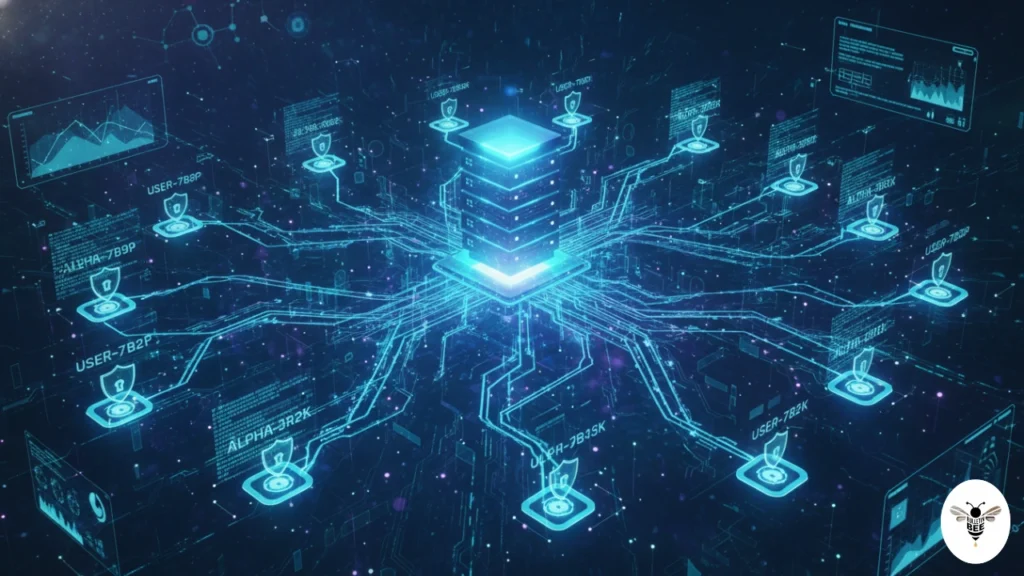
Modern websites and applications rely heavily on such codes. They are not just random for no reason. There are several important purposes behind them.
Security Reasons
One of the main reasons these codes exist is to improve security.
- They prevent others from guessing sensitive information
- They hide personal data like usernames or IDs
- They make links harder to hack
For example:
- Instead of showing your name in a link, a system uses a random code
- This protects your identity and keeps your data private
Unique Identification
Every user or action on a website needs to be tracked in some way. These codes help with that.
- Each user gets a unique session ID
- Each file has its own identifier
- Each order has a tracking code
This ensures that:
- Data does not get mixed up
- Systems can handle millions of users at once
Efficient Data Management
Websites handle huge amounts of data every second. These codes help manage everything smoothly.
- They make it easy to store and retrieve information
- They reduce confusion between similar records
- They improve system performance
Privacy Protection
Instead of using personal details directly, websites use these codes.
- No names or emails are exposed in links
- Sensitive data remains hidden
- Users stay anonymous
Where You May See These Codes
You might have already seen codes like qkfzzu1lbnvinhp4dlhz in different places without realizing their purpose. Here are some common situations where they appear.
Email Verification Links
When you sign up for a website, you often receive a verification email.
- The link includes a random code
- It confirms your identity
- It activates your account
Password Reset Links
If you forget your password, the reset link usually contains a unique code.
- It ensures only you can reset your password
- The code expires after some time
- It adds an extra layer of security
Download Links
When downloading files, especially from cloud services:
- The file link may include a random string
- It identifies the exact file
- It prevents unauthorized access
Online Shopping
During online purchases:
- Orders are assigned unique codes
- Transactions are tracked using IDs
- These codes help in order management
Website Tracking Systems
Websites use tracking codes to understand user activity.
- They track page visits
- They monitor user behavior
- They improve user experience
File Sharing Platforms
When you upload or share files:
- Each file gets a unique identifier
- Links include random codes
- Only people with the link can access the file
Why Are You Seeing Them More Often Now
You might feel like these codes are appearing more frequently than before. There are good reasons for this.
Increase In Online Activity
More people are using the internet for:
- Shopping
- Banking
- Learning
- Working
This means more systems need secure identification methods.
Stronger Privacy Rules
Modern platforms follow strict privacy standards.
- They avoid exposing personal data
- They use hidden codes instead
- They protect user identity
Growth Of Digital Platforms
With the rise of apps and websites:
- More data is being generated
- More users are interacting online
- Systems need better organization
Advanced Security Measures
Cybersecurity has become more important than ever.
- Random codes reduce hacking risks
- They prevent unauthorized access
- They ensure safe transactions
Are They Safe To Click

This is one of the most common concerns people have when they see such codes.
When They Are Safe
In most cases, these codes are completely safe. You can click them if:
- You requested the action (like password reset)
- The link is from a trusted website
- The email is from a known source
Examples of safe situations:
- Signing up for a service
- Resetting your password
- Confirming an email address
When To Be Careful
Even though the code itself is harmless, the source of the link matters.
Avoid clicking if:
- The email is from an unknown sender
- The message looks suspicious
- You did not request the action
Warning signs include:
- Poor spelling or grammar
- Urgent or threatening language
- Unknown website links
Simple Safety Tips
- Always check the sender’s email address
- Hover over links before clicking
- Use trusted websites only
- Avoid sharing links with unknown people
How These Codes Work Behind The Scenes
Even though users don’t need to understand the technical side, it helps to know a little about how these codes are created.
Random Generation
Computers use algorithms to generate codes.
- They combine letters and numbers
- They ensure no duplicates
- They create unpredictable patterns
Encryption And Hashing
Some codes are created using encryption techniques.
- Data is converted into a secure format
- It cannot be easily reversed
- It protects sensitive information
Temporary Usage
Many codes are temporary.
- They expire after a certain time
- They are used only once
- They improve security
Benefits Of Using Random Web Codes
These codes might look strange, but they offer many advantages.
Better Security
- Protects user data
- Prevents hacking attempts
- Secures online transactions
Improved Organization
- Keeps data structured
- Avoids duplication
- Helps systems run smoothly
Enhanced Privacy
- Hides personal information
- Reduces data exposure
- Keeps users anonymous
Scalability
- Supports millions of users
- Works efficiently on large platforms
- Handles high traffic easily
Common Misunderstandings About These Codes
Many people misunderstand what these codes mean. Let’s clear up some confusion.
They Are Not Viruses
- The code itself cannot harm your device
- It is just a string of characters
They Are Not Tracking You Personally
- They track sessions, not individuals
- They do not reveal personal identity
They Are Not Created By Hackers
- Most codes are generated by trusted systems
- They are part of normal web operations
When Should You Be Concerned
Even though these codes are usually safe, there are situations where you should be cautious.
Suspicious Emails
- Unknown sender
- Unexpected message
- Strange requests
Fake Websites
- URLs that look similar but are different
- Poor website design
- Lack of security (no HTTPS)
Phishing Attempts
- Messages asking for personal information
- Links that redirect to unknown pages
- Urgent warnings or threats
Simple Ways To Stay Safe Online
To make sure you stay protected while dealing with such codes, follow these easy steps:
- Always verify the source before clicking
- Use strong and unique passwords
- Enable two-factor authentication
- Keep your devices updated
- Avoid public Wi-Fi for sensitive tasks
Conclusion
In the end, the code qkfzzu1lbnvinhp4dlhz may look unusual, but it is simply a safe and essential part of modern internet systems. These random-looking strings help websites protect your data, manage information efficiently, and keep your online experience secure without exposing personal details. There is no need to worry when you see them, as long as they come from trusted sources. By staying aware and following basic safety practices, you can confidently interact with such links, knowing they play an important role in keeping the digital world organized and protected.
The next time you encounter a code like this, you will understand that it is simply a small but powerful tool working quietly behind the scenes to keep your digital experience safe and smooth.