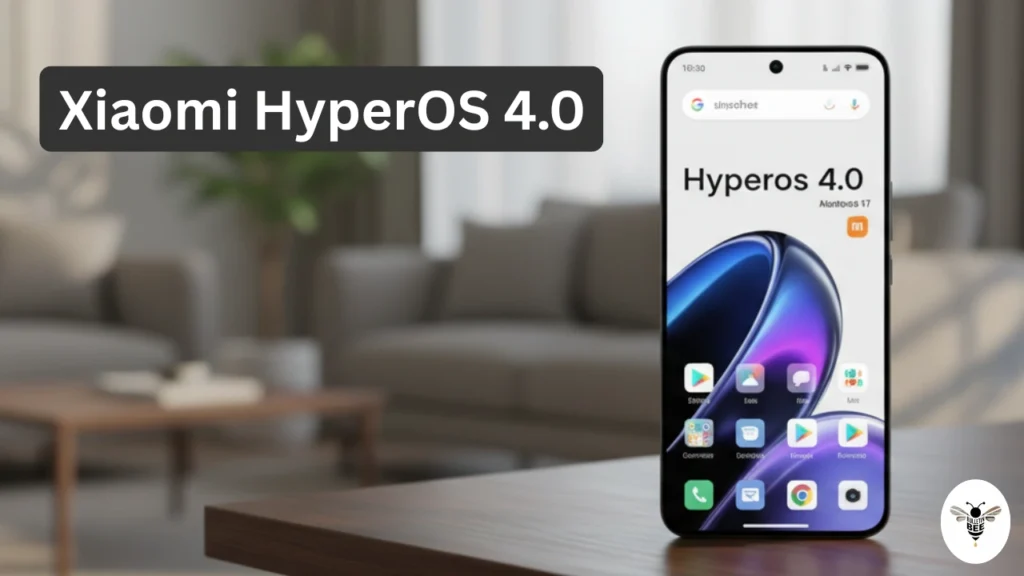
Xiaomi is preparing for its next major software evolution with HyperOS 4.0, which is expected to be built on Android 17. While the company is still rolling out HyperOS 3 updates across global markets, early leaks and internal testing reports suggest that HyperOS 4.0 is already well under development and could be one of Xiaomi’s most ambitious OS upgrades to date.
This upcoming version is expected to focus heavily on smoother performance, improved battery efficiency, and deeper ecosystem integration across smartphones, tablets, and foldables.
What Is Xiaomi HyperOS 4.0?
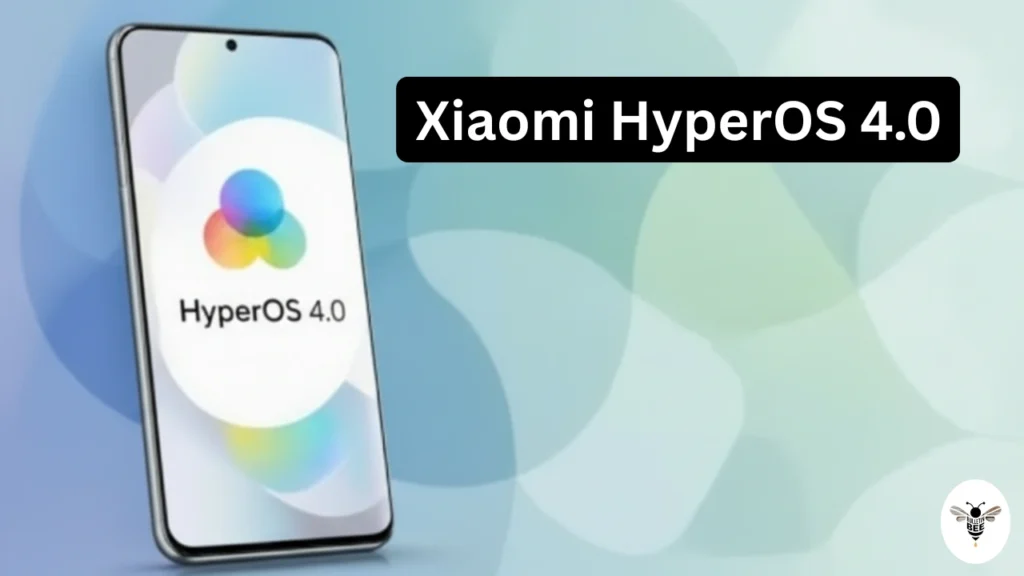
HyperOS 4.0 is the next iteration of Xiaomi’s custom operating system that replaced MIUI. It continues Xiaomi’s shift toward a more self-developed system architecture, while still retaining essential Android services and app compatibility.
Key goals of HyperOS 4.0 include:
Also Read

- Better system optimisation across hardware tiers
- Reduced background power consumption
- Faster animations and UI responsiveness
- Improved cross-device connectivity
By building HyperOS 4.0 on Android 17, Xiaomi aims to blend Google’s core platform improvements with its own ecosystem-focused enhancements.
Expected Features of HyperOS 4.0
While Xiaomi has not officially revealed a full changelog, leaks and past update patterns point toward several meaningful improvements.
Likely HyperOS 4.0 upgrades include:
- Enhanced battery management
Smarter background app control and refined power scheduling could deliver longer screen-on time. - Smoother UI performance
Faster transitions, reduced frame drops, and better memory handling across flagship and mid-range devices. - Improved ecosystem integration
Seamless connectivity between Xiaomi phones, tablets, wearables, TVs, and smart home products. - Optimised system architecture
A lighter OS core designed to improve stability without sacrificing Android app compatibility. - Security and privacy enhancements
New Android 17-level protections combined with Xiaomi’s own security framework.
Android 17 at the Core
Android 17 is expected to reach stable release around June–July 2026. Xiaomi typically moves quickly to adapt new Android versions into its HyperOS platform.
Based on previous rollout cycles:
- Developer and beta builds may appear shortly after Android 17’s official release
- Flagship Xiaomi devices will be prioritised
- Mid-range and budget models will follow in phases
The global rollout could extend into late 2026 and early 2027, depending on region and device category.
HyperOS 4.0 Rollout Timeline (Expected)
- Q3 2026 – Internal testing and limited beta releases
- Late 2026 – Flagship Xiaomi and premium tablets receive updates
- Early 2027 – Wider rollout to Redmi and POCO mid-range devices
Keep in mind that rollout schedules may vary by region and carrier approval.
Eligible Xiaomi, Redmi & POCO Devices (Unofficial)
Based on leaks and Xiaomi’s current update policy, a broad range of devices is expected to receive HyperOS 4.0.
Xiaomi devices (expected):
- Xiaomi 17, 17 Pro, 17 Ultra series
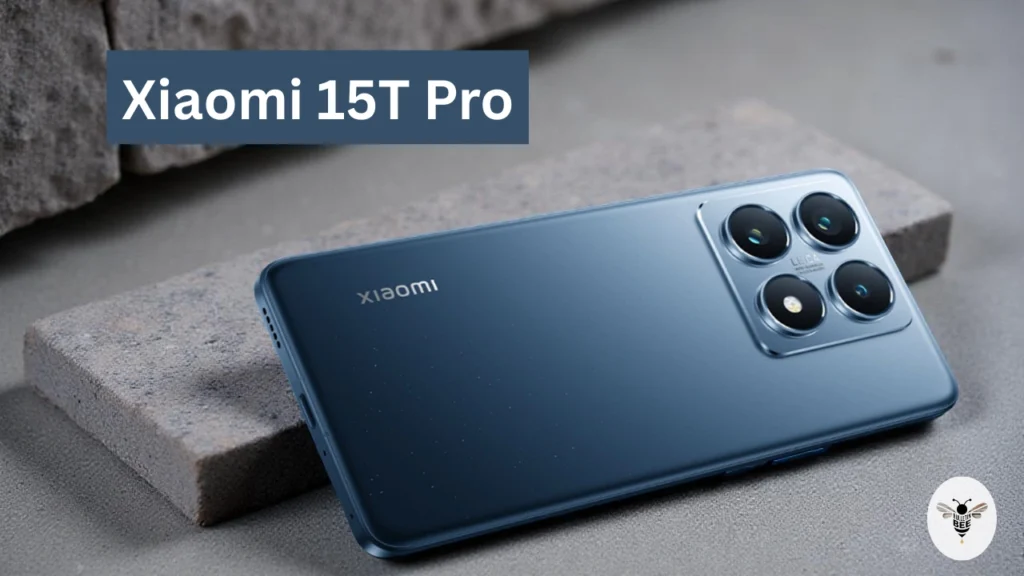
- Xiaomi 15 and 14 flagship lineups
- MIX Fold and MIX Flip series
- Xiaomi Pad 7, Pad 8, and premium tablets
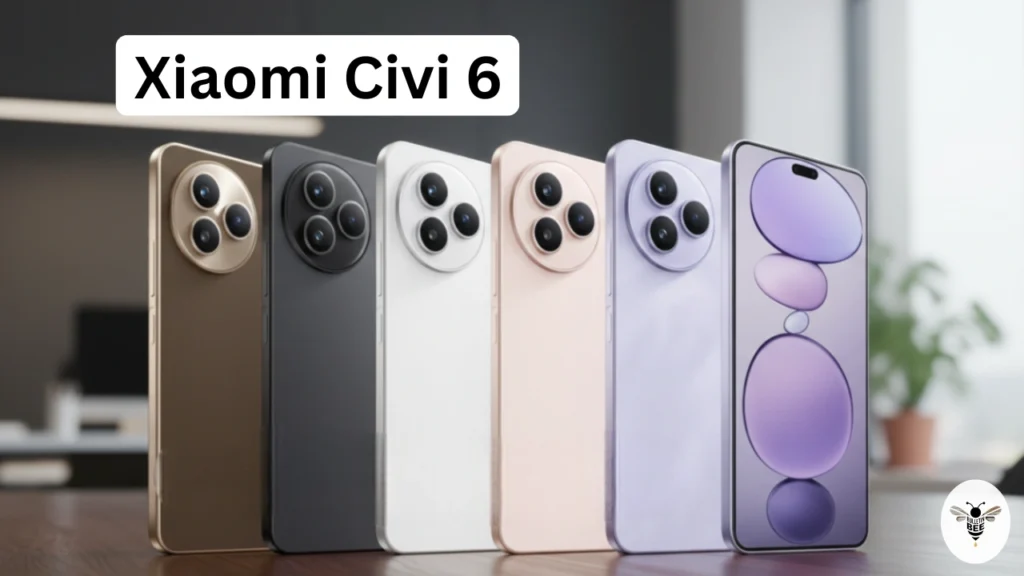
- Civi series premium mid-range phones
Redmi devices (expected):
- Redmi K-series flagships
- Redmi Note 14 and Note 15 series
- Redmi Turbo models
- Select Redmi Pad tablets
POCO devices (expected):
- POCO F-series performance phones
- POCO X-series mid-range models
- POCO M-series budget devices
- POCO tablets
Important: This list is based on leaks and historical update trends. Final confirmation will come only from Xiaomi.
Who May Miss the Update?
Despite the wide device coverage, not every recent phone is guaranteed to receive HyperOS 4.0. Devices with limited software support cycles or lower-tier hardware may stop at HyperOS 3.
Xiaomi typically prioritises:
- Device tier over launch year
- Flagship and premium mid-range models
- Newer chipsets with longer support commitments
Why HyperOS 4.0 Matters
HyperOS 4.0 represents Xiaomi’s long-term vision of controlling more of its software stack while still benefiting from Android’s global ecosystem. If leaks are accurate, this update could be one of Xiaomi’s largest and most refined OS upgrades, impacting hundreds of millions of devices worldwide.
For users, this means:
- Longer device lifespan
- Better performance consistency
- Stronger ecosystem experience
Final Thoughts
Although HyperOS 4.0 is still unconfirmed officially, all signs indicate that Xiaomi is preparing a major Android 17-based upgrade focused on efficiency, smoothness, and ecosystem integration. If Xiaomi delivers on these expectations, HyperOS 4.0 could mark a significant milestone in the brand’s software journey.
Until an official announcement arrives, users are advised to treat leaked device lists cautiously—but optimism around HyperOS 4.0 remains high.